



Locksmith calls do not arrive in neat groups. A front key snaps before work. Later, somebody is standing beside a car with the fob in hand and no response from the car. Then a shop owner calls because the back door locks, but only after leaning hard against it.
None of those people wants a speech.
They want to know if the problem can be fixed, roughly what is involved, and when someone can get there. Fair enough. Quick Locksmith Services has been doing this work in Toronto for 20 years. Long enough to know that the first version of a lock problem is not always the full version.
A key that "stopped working" might be worn down. Or the door has dropped a little on its hinges and the bolt is now rubbing the frame. A dead car fob could need a battery, though it could also have lost programming. We ask a few questions before deciding which answer fits. It saves time. Sometimes it saves the customer from buying a part that was never needed.
We work across the city with residents, drivers, landlords, shops, and property managers. Old hardware, new hardware, and a surprising amount installed upside down by somebody years ago. Toronto has all of it.
Here is one: do not keep forcing a key that suddenly feels stiff.
People do it because the key worked yesterday. A little wiggle becomes a harder wiggle, then both hands, and eventually there is half a key in the lock. Stop while the key is still in one piece. Try the spare. If the door is open, test the lock again without the pressure of the frame around it. That small check can tell us quite a lot.
Toronto weather gets involved too. Wood moves. Frames shift. Salt and grit get everywhere. In older semis around Wychwood or The Annex, the lock may be fine but the door has settled. Downtown condo doors have different quirks and may be tied into a building key system.
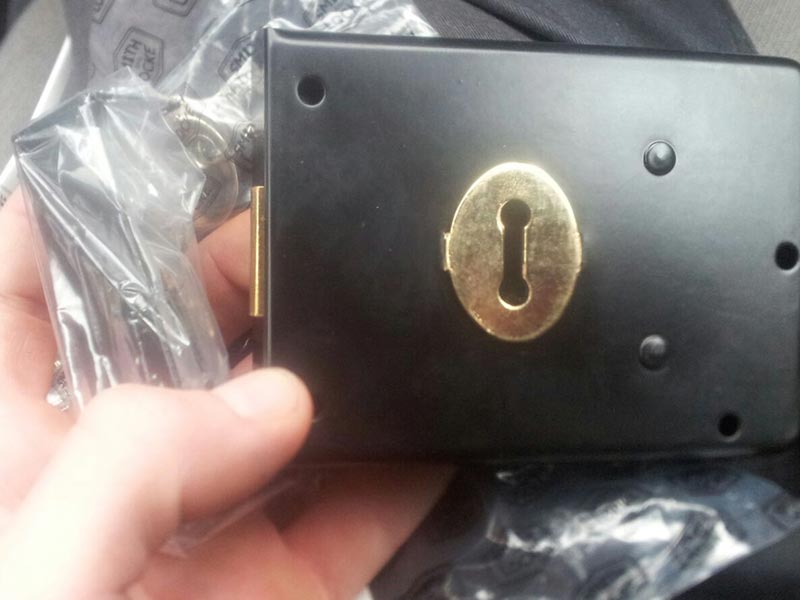
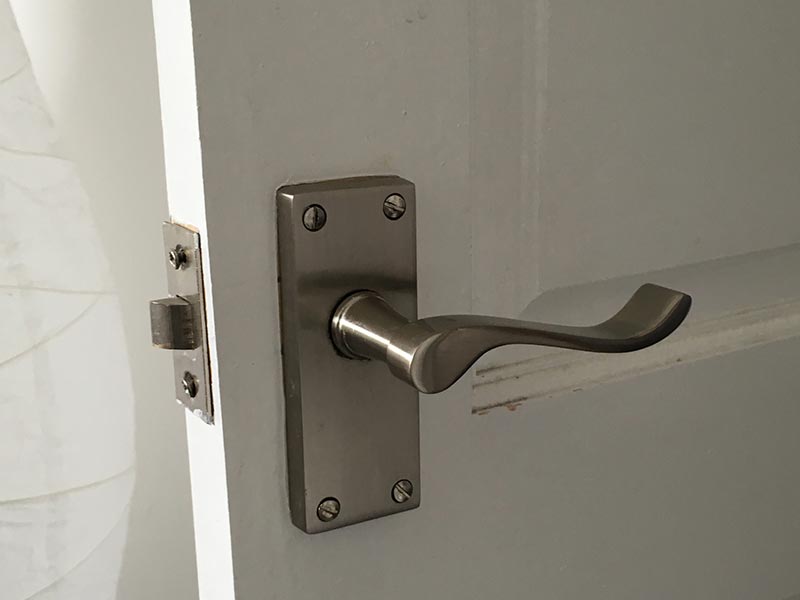
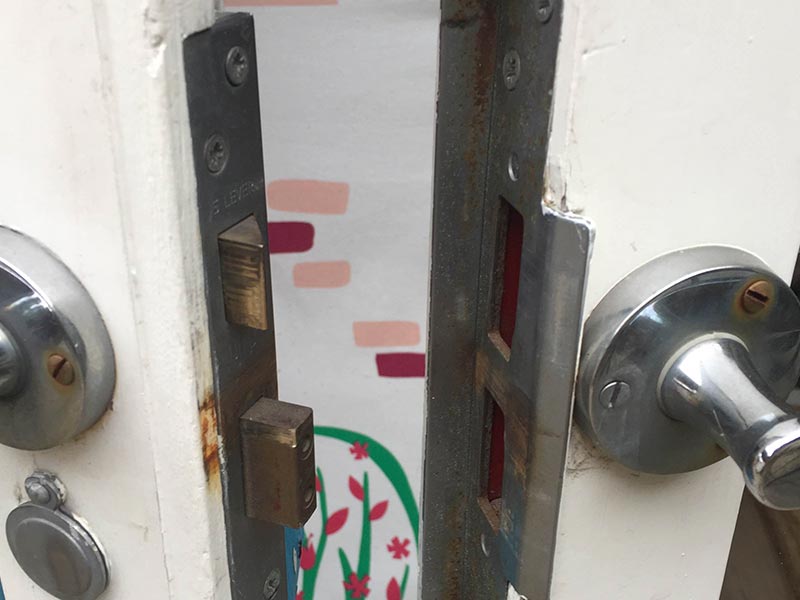
So when somebody asks about mortise lock vs deadbolt, we need to see the door. A mortise lock is set into a pocket inside it. Many older Toronto houses and business entrances still use one. A deadbolt is normally a separate piece running through the face of the door. Neither wins just because of its name. Condition matters. The strike and frame matter. How the door is used matters quite a bit.
We like good old locks. Not every old lock, obviously. But a solid mortise lock with one failed part is not rubbish because a newer box is available.
The same thinking applies after a move. New owners often assume every lock has to come off. If the hardware is sound, we can rekey locks instead. The old keys stop working and a new set takes over. If the lock is damaged, loose, or a poor fit, then replacement is a different conversation. Two houses on the same street can land on opposite answers.
Our residential locksmith work runs from everyday lock repairs to smart locks, deadbolts, mailbox locks, key changes, and doors that have become hard to close. Home security comes into it, of course, though "how to secure your home" is a bigger question than which lock has the fanciest package.
Look at the whole entrance. Does the deadbolt go fully into the strike without pulling the door? Is the strike loose? Who still has a key? What about the garage door? Nothing glamorous there. Still useful.
Condo owners need one extra pause. Ask management what can be changed on the suite door. The outside finish, fire rating, keyway, and master access may be controlled by the building. The same goes for a building fob. Owning the unit does not always mean every part of the corridor door is yours to alter.
Being locked out is more immediate. If you are locked out of a house, or locked out of an apartment with dinner getting cold inside, our emergency locksmith service is there for that. We check the lock before talking about replacement. Drilling is sometimes necessary. It is not the opening move for every door.
There is one awkward but necessary bit. We need a reasonable sign that you belong there. ID is easiest. If the ID is on the other side of the door, a lease on your phone, building staff, or another form of proof can help. Nobody enjoys doing paperwork in a hallway, but the alternative would be opening doors for anybody who asks nicely.
If a child is alone inside, something is burning, or a person needs medical help, call 911 first. Same rule for a child or pet trapped in a vehicle during dangerous weather. Tell us afterward if locksmith work is still needed.
The metal blade is still there on many models. It is just no longer the whole show.
A chip inside the key may allow the engine to start. The buttons handle locking. A proximity fob can stay in a pocket. When someone says the fob key is broken, we first narrow down which part stopped working.
That is why our automotive locksmith will ask for the year, make, and model before making promises. We also need to know whether any working key remains. Adding a spare to a car with one good key is not always the same process as dealing with every key lost.
Try the spare before calling, if one is available. If the spare works, bring both keys. The comparison can be helpful. If neither key starts the car, the fault may not be in the keys at all. We would rather find that out than program another fob and pretend the problem has gone away.
Car lockouts have their own details. Is the key on the seat, in the trunk, or missing? Is the vehicle in a driveway or four levels down in a garage? Tell us. Downtown parking can turn a simple job into a puzzle.
For key cutting or programming, proof of ownership is part of the job. Have the registration and identification available. A VIN is useful as well. Some vehicles, model years, and key systems need equipment or access that must be checked before the visit, so a quick "yes, every car" would not be a serious answer.
One practical thought: do not wait until the only working key is held together with tape. A spare made while one key still works can be much easier than sorting out an all-keys-lost job beside the car.
It is nearly closing time. The lights are off, the till is done, and now the front lock will not catch. That is when a small door fault becomes everybody's problem.
Our commercial locksmith work covers locks, master key systems, closers, storefront hardware, exit devices, and selected access-control jobs. A clinic near Yonge and Eglinton may need controlled staff access. A Queen Street shop has an entrance opening all day. A small office may have too many old keys floating around.
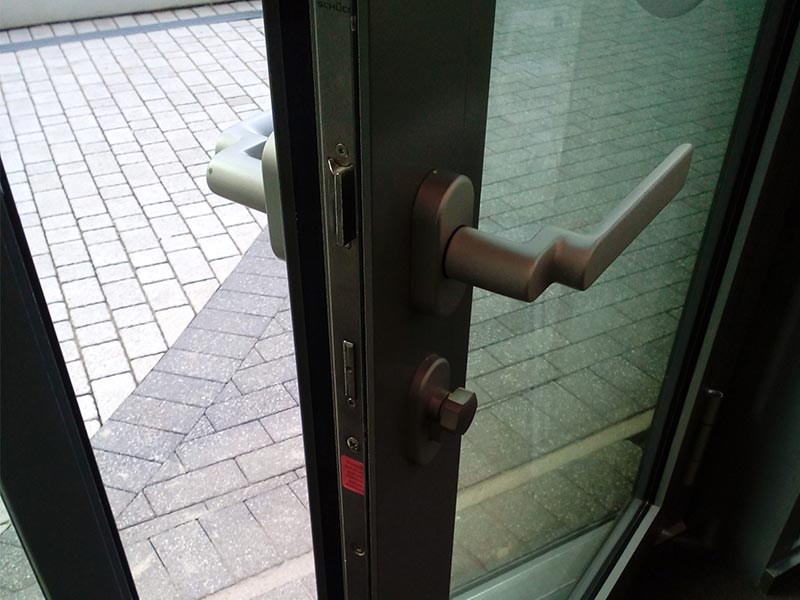
With a commercial door, we often begin a few inches away from the lock. Hinges loosen. A closer pulls too hard or not hard enough. The latch misses the strike. On an aluminum storefront door, a tiny shift can make the key feel like the problem when it is only reporting what the door is doing.
Master key work needs some planning. Who opens the front entrance? Who needs the stockroom? It is tempting to build a clever system. Better to build one people can understand six months later.
An employee leaving with a key does not automatically mean changing every lock in the building. It depends which doors the key opened and whether it belonged to a wider system. Write that down before calling, if you can. A rough list is fine. It gives us somewhere real to start.
If a panic bar, fire door, or shared exit is involved, tell us how the door is used and what failed. Some doors have requirements beyond the lock itself. That cannot be guessed from "commercial door broken."
How much does a locksmith cost? Sometimes we can give a useful range from the first call. Sometimes we need a photo. A fault that cannot be seen until the lock is opened may leave part of the answer for the visit. What we should not do is pretend a car key, a house lockout, and a bent storefront door are all one price because they all involve keys.
Location matters. So does the time. Ask what the service charge, labour, and hardware include. If the number sounds tiny, ask again. A quote is not much use when half the job is hiding outside it.
When you call, begin with your nearest main intersection. After that, just describe the problem the way you see it. Door open or closed? Key missing or stuck? Car key turns but will not start? Shop door needs a push before it locks? A photo often helps with home and business hardware. For vehicle keys, the year, make, model, and number of working keys are more useful than a photo of the steering wheel.
Timing in Toronto changes by the hour. Rain starts. The Gardiner slows down. A technician who looked around the block on a map is suddenly not around the block at all. We give the best arrival window we have when you call. If that window changes, the sensible thing is to update you.
A citywide locksmith service also needs to be honest about its route. We cover Downtown Toronto, Midtown, York, East York, North York, Etobicoke, Scarborough, and nearby GTA communities. If you arrived here after typing locksmith near me, send the neighbourhood or main intersection rather than only "Toronto." It helps us check who is actually closest.
What should you ask before approving work? Ask what the technician thinks has failed. Ask whether the existing lock can stay. Ask what a new part costs and whether another option exists. For car keys, ask what is being cut or programmed. For a lockout, ask why drilling is being suggested if it comes to that.
You are allowed to understand the job.
Quick Locksmith Services is here for the key that finally wore out, the condo door that closed one second too early, the fob that picked today to quit, and the shop entrance that is no longer behaving like an entrance. Tell us which version of the day you are having. We will take it from there.